

Build Beautiful 2026
October 23–24, 2026 · Oklahoma City
2026 is full — applications closed
A two-day, hands-on workshop in Oklahoma City for a small group of architects, developers, and builders who want to make more beautiful, durable, human-scaled places. The 2026 cohort is full — we’re planning 2027. Add your name for the dates.
Get 2027 updatesThe 2026 cohort is full. What follows describes the 2026 program; 2027 dates and details will be announced. Join the 2027 list →
A two-day workshop in OKC.
An intimate gathering of no more than 25 practitioners who want to shift the trajectory of the built environment in the US.
It’s designed for practicing architects, small-scale developers, builders, and investors. You’ll leave with details you can use, resources to explore, and people you can call.
$2,500
Includes all sessions, materials, and meals Friday and Saturday.
Lodging and travel are on your own.
What we go deep on
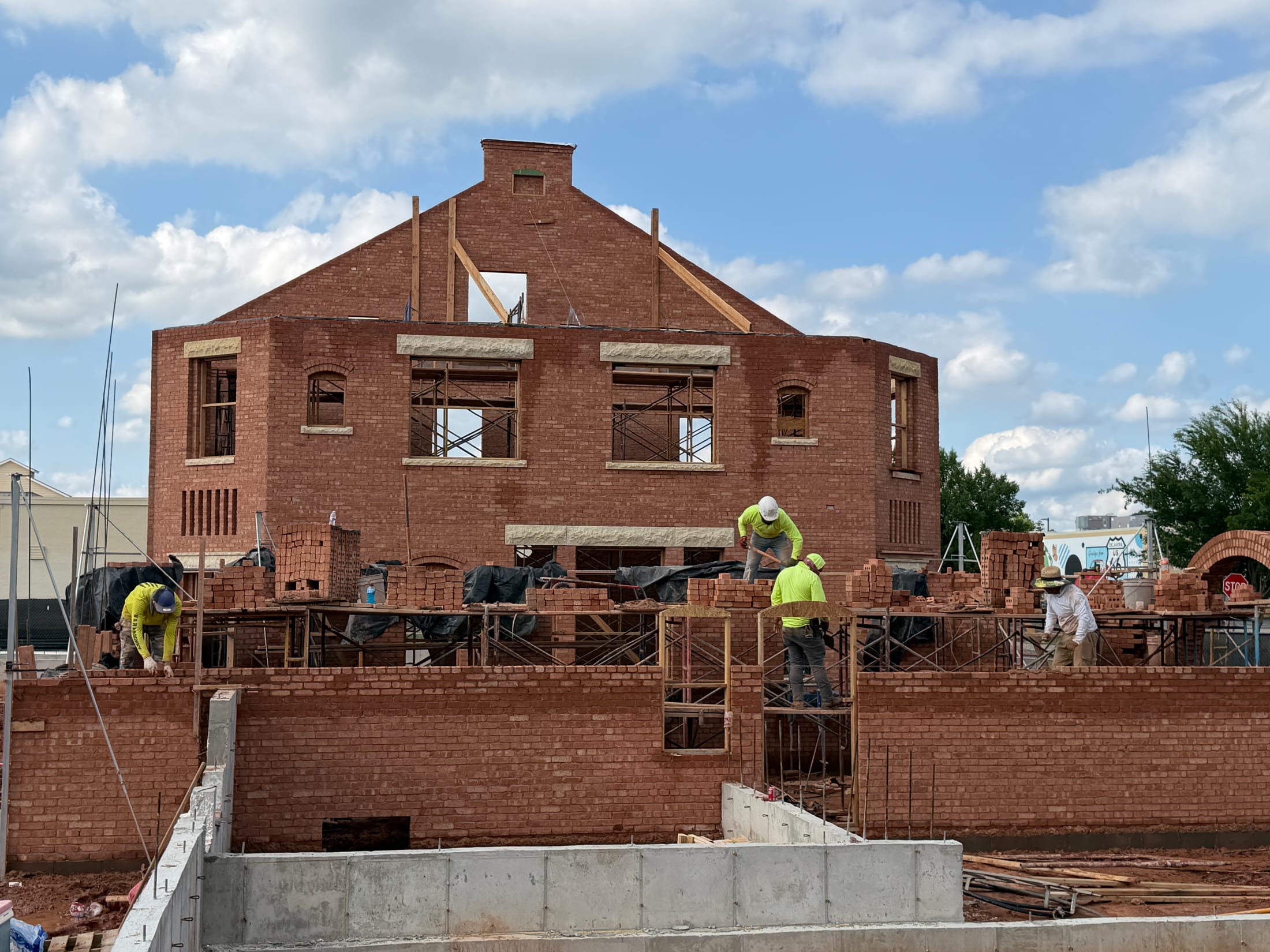
Masonry & design
Understanding masonry well enough to specify it and talk to your architect, GC, or developer with authority: the right brick, the right mortar color, how the joints are struck, arches and lintels and openings that look right. It works at any scale and any budget. We also get into structural masonry, and you’ll lay brick for a few hours to get the feel of it.
Brick & mortar selection · Struck joints · Arches, lintels & openings · Structural masonry
Pocket neighborhoods & infill
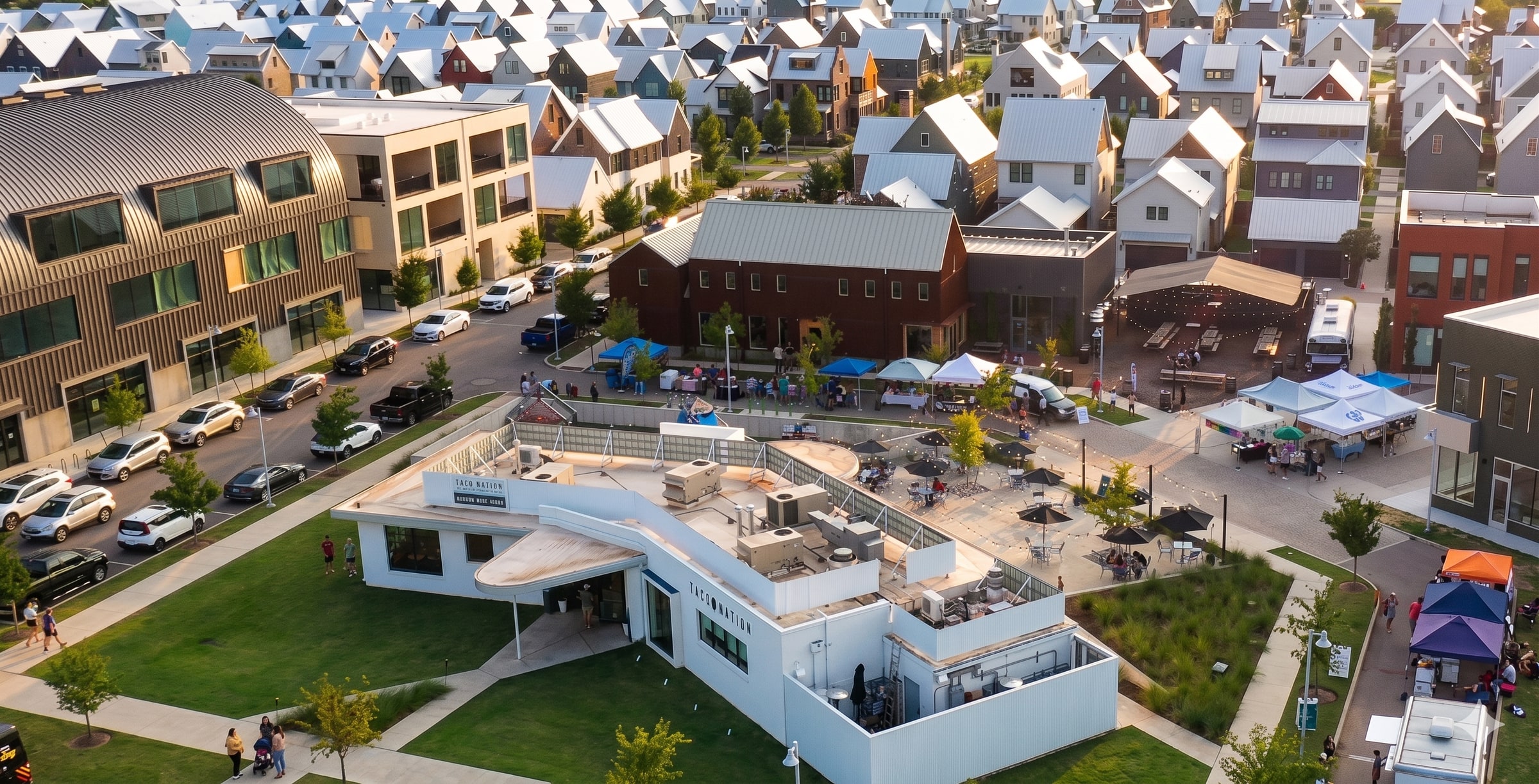
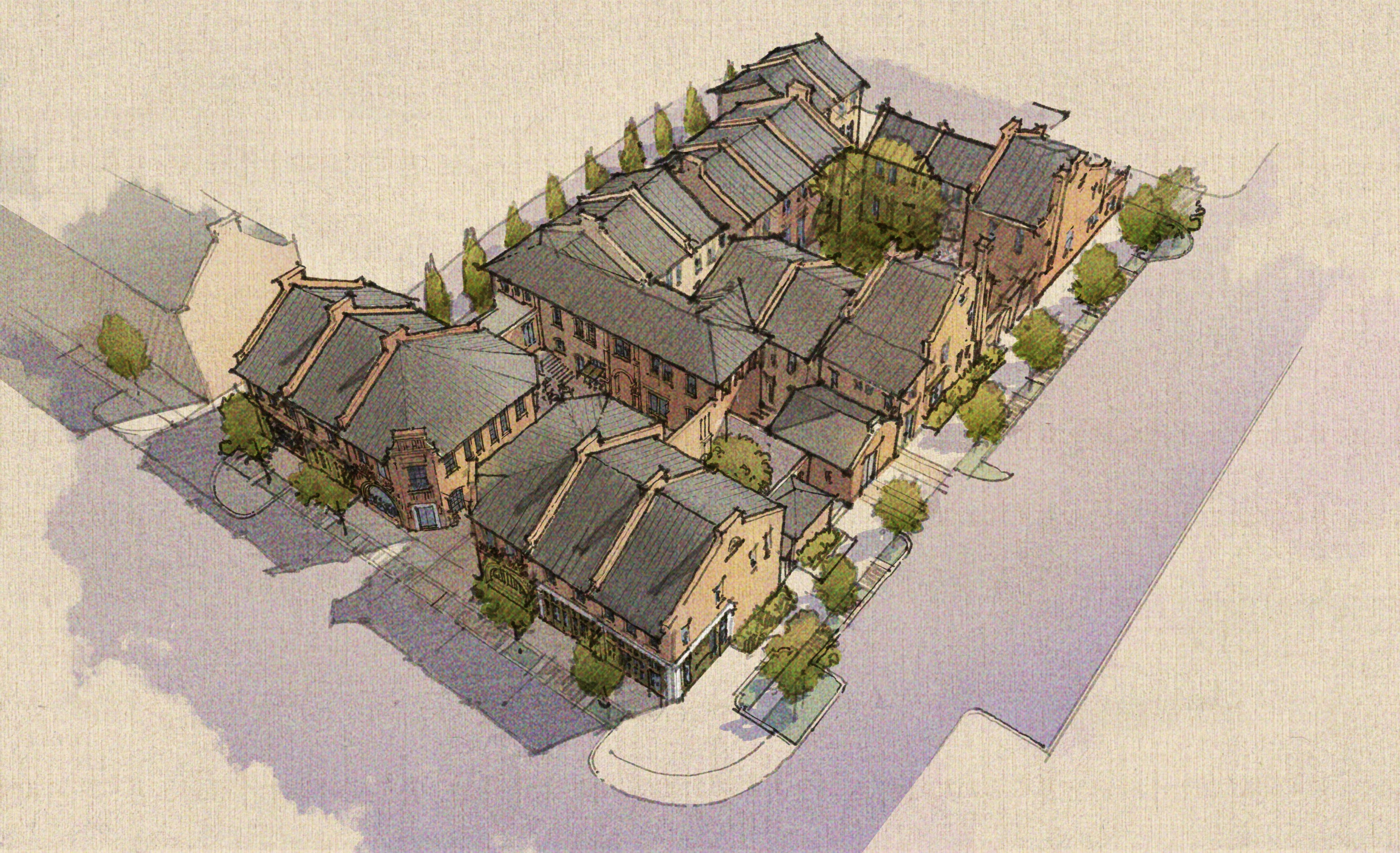
What makes a good site, and how a walkable place comes together once you have one. We focus on sites around three-quarters of an acre to 1.5 acres, the size of Townsend and Wren. Where to look, what to look for, then design, entitlements, and construction.
Finding a site · Site layout · Courtyards · Streetscape · Entitlements & code · Construction
Funding & structure
How we fund and structure long-hold, mixed-use projects. This is the hardest part to figure out. We’ll open up a real deal and show you how it’s put together and what we’ve learned.
Sources & uses · Cost per foot · SPVs · Reg D 506(c) · Investor relations
What you’ll do
Hands-on masonry.
Roughly four hours of bricklaying across the two days. The point isn’t to make you a mason. It’s to give you the intuition for how masonry actually works — so you can know what you want and how to communicate it well.
Masonry design sessions.
How to get the details right: arches, lintels, sills, window openings, brick, mortar, and simple ideas to improve your masonry projects cost effectively. Universally applicable to any masonry project at any scale.
Structural masonry.
How we build with structural brick: the assemblies, the economics, what it takes to pull off.
Pocket neighborhood design.
How we approach the design of pocket neighborhoods. A walk through the considerations for sites roughly three-quarters of an acre to 1.5 acres — the size of Townsend and Wren. This covers site layout, building and courtyard configuration, streetscape, and code and regulatory considerations.
How we structure walkable mixed-use projects.
We’ll open one of our deals — sources and uses, cost per foot, how we structure, and what we’re learning.
How we raise equity.
Reg D 506(c), how we communicate with investors, the difference between institutional and relational capital, how we structure SPVs.
Constructability.
How to actually get a beautiful design built. Code, MEP and utility coordination, working with the city and the GC. The half of the work that determines whether your drawings ever become a building.
Tour of Townsend.
Walking the details in person at our flagship project, currently under construction in downtown Edmond.
Tour of Wheeler District.
Walk one of the most successful traditional neighborhood developments in the country.
Why townhouses.
Designing and building live/work and conventional townhouses under the IRC.
Project redlines + brainstorming.
Short feedback sessions on projects you’re considering or working on.
Group meals each day.
Meet other people and talk with the hosts.
It all happens in Wheeler District
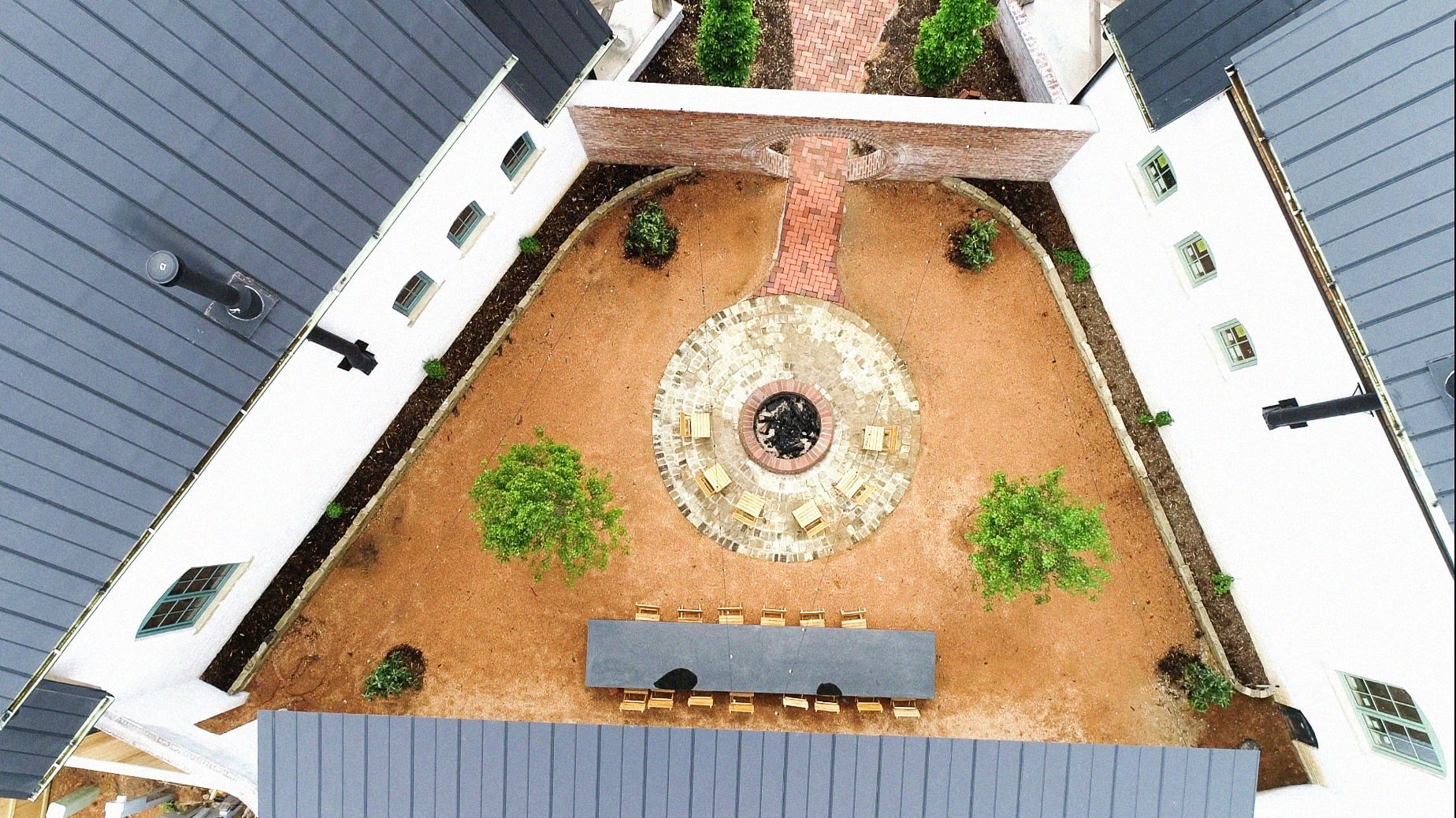
Everything runs inside Wheeler District, a walkable neighborhood just south of downtown OKC. Sessions, brick, tours, meals: you move between a workshop space, an open lot, the streets, and a few good restaurants, mostly on foot.
Some of the time is hands-on. Some of it is sitting down and working through details and deals. A good amount is just time together over food. The setting does some of the teaching. It’s the kind of neighborhood we want to see all over America.
- 01
Hands-on masonry
A few hours laying brick on an open lot in the neighborhood, enough to get the feel of it.
- 02
Workshop sessions
Sitting down to work through detailing, structural masonry, and how we put our deals together.
- 03
Walking tours
Townsend and Wheeler District on foot, looking at the details up close.
- 04
Social time
Long meals and evenings together. A lot of the best conversation happens here.
What this isn’t
This isn’t a “how to build with structural masonry” course. We’ll lay brick, and we’ll go into details, but the goal is intuition and design literacy — not mastery of the trade.
It isn’t a certification program.
And it isn’t a sales pitch for Building Culture’s services or our deals.
Who this is for
- Practicing architects who want to detail better masonry and/or step into development.
- Small-scale developers who want to build these kinds of places — infill, townhomes, mixed-use, walkable neighborhoods.
- Larger developers looking for new typologies.
- Investors who want to learn how to invest in walkable, mixed-use projects like these.
- People getting into development: architects, builders, and others looking to make the shift.
- Builders and general contractors interested in traditional construction and craft.
The content covers masonry, design, pocket neighborhoods, infill development, and long-hold capital structures. The workshop works across a range of experience levels, from people fairly new to development to those with real track records. There are people who have more experience than us in any given field, but we have unique experience in the combination of all of them, and want to share what we know and are learning.
Hosts
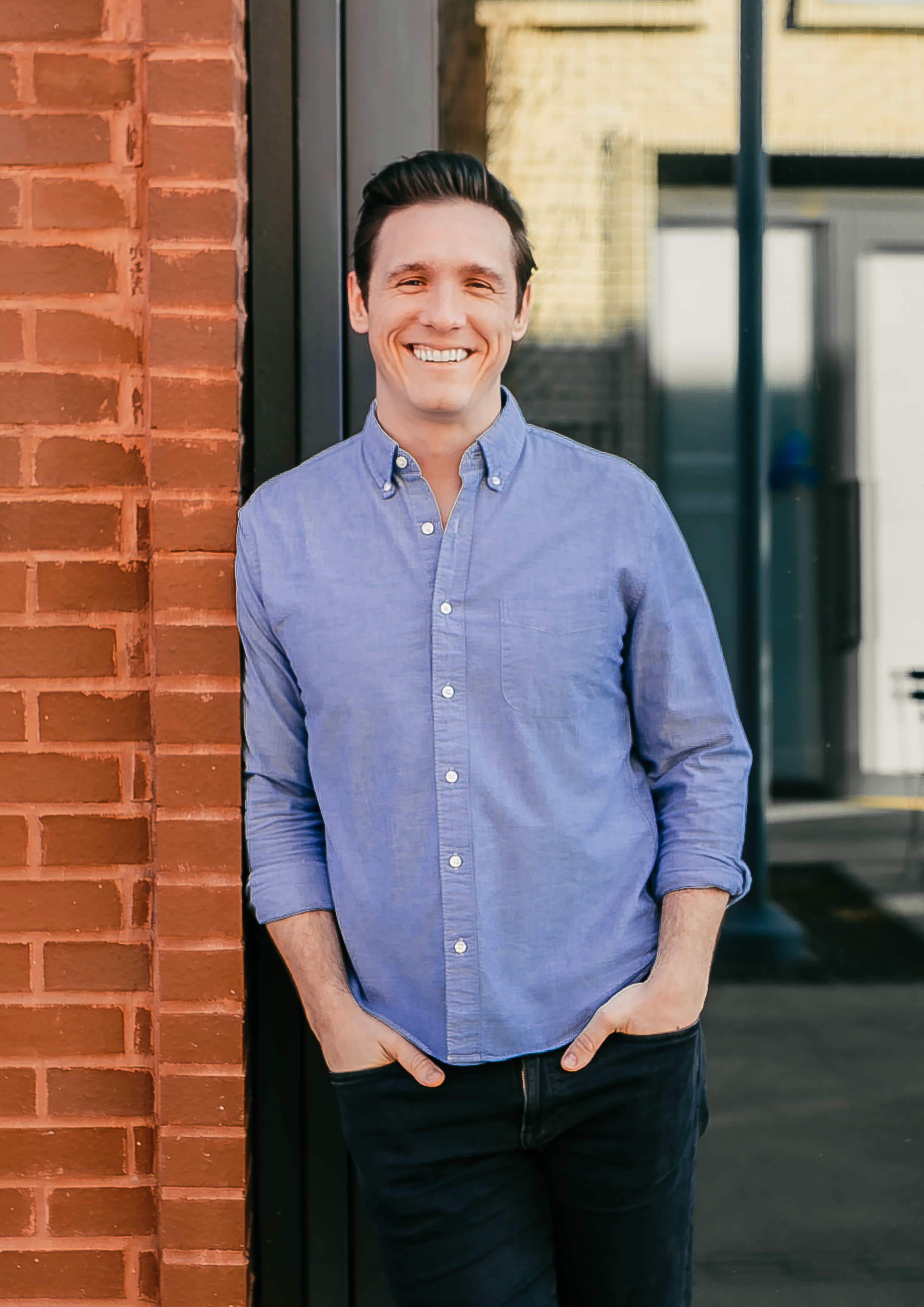
Austin Tunnell
Founder & CEO, Building Culture
Designer, mason, and developer. Following a two-year masonry apprenticeship, he has spent the last decade growing Building Culture into a vertically integrated development firm that brings beautiful and challenging projects to life, with a focus on creating and holding walkable, mixed-use infill projects.

Matt Hayes, AIA
Director of Architecture & Construction, Building Culture
Leads entitlements, architecture, and construction for Building Culture. A licensed architect in Oklahoma and New York, he teaches for the Institute of Classical Architecture & Art and trained at the University of Notre Dame and G.P. Schafer Architect in Manhattan.
Additional speakers to be announced.
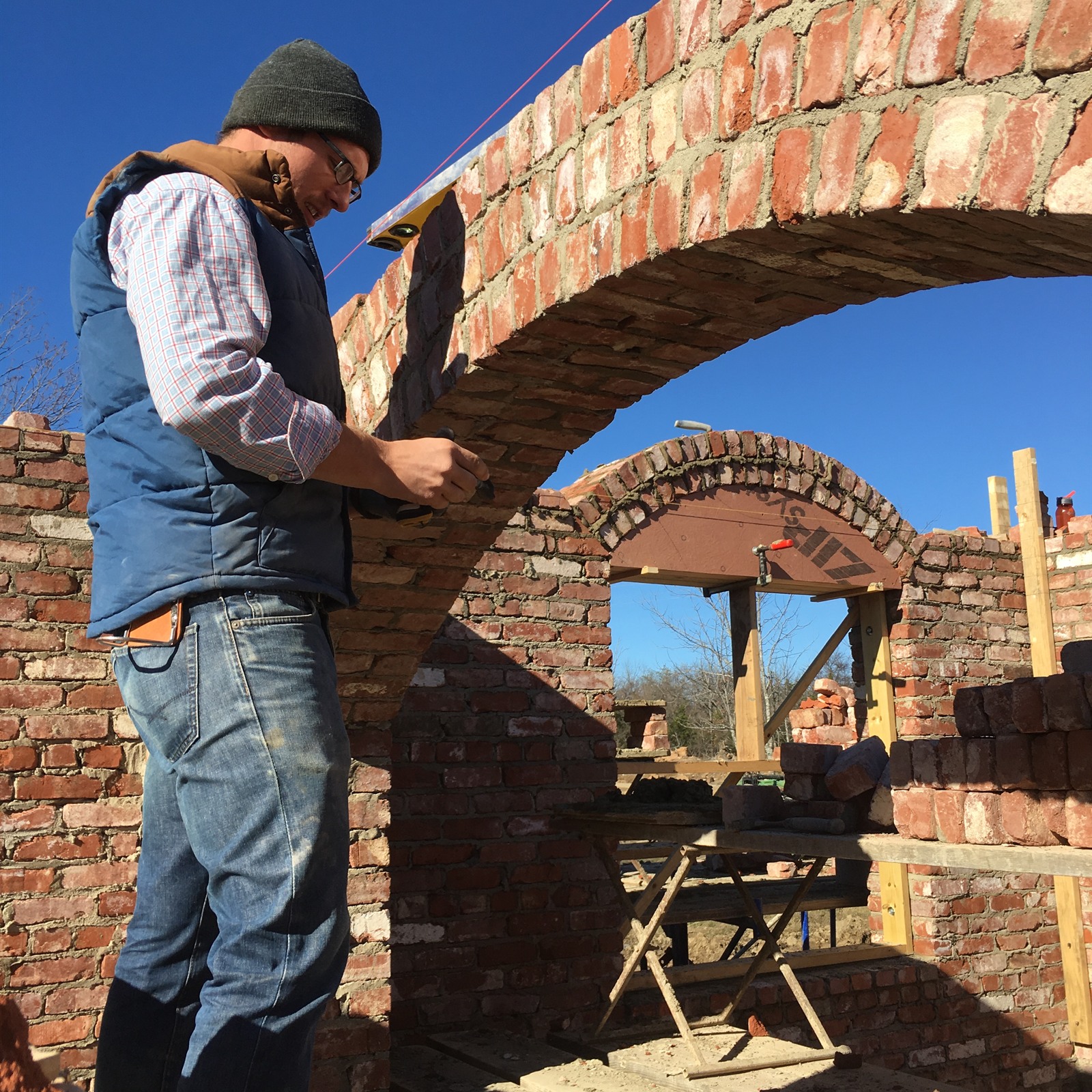
One-on-one with Austin
Twenty-five people is small on purpose. It leaves real time for one-on-one conversation.
Friday and Saturday, Austin holds open office hours over the long midday breaks. Bring a deal you’re underwriting, a plan you want redlined, a site you’re chasing, or a question you’ve been sitting on. Fifteen or twenty minutes, one-on-one, on whatever’s most useful to you.
Schedule
Two full days, with a relaxed arrival and a proper send-off. Plan to arrive Thursday evening and fly out Sunday. The best of it runs right through Saturday night.
- Thursday evening
- A welcome dinner in Wheeler District to kick things off. Optional, but highly recommended.
- Friday
- A full day, breakfast through dinner: sessions, brick, a tour, and one-on-one time.
- Saturday
- A full day that ends with a long dinner together — the proper send-off.
- Sunday
- Head home. Plan to fly out Sunday so you’re with us through Saturday evening.
Travel
The nearest airport is Will Rogers World Airport (OKC) — about 15–20 minutes from Wheeler District by car. Rideshare or rental both work.
The workshop runs through Saturday evening, so plan to fly out Sunday morning.
Lodging
Lodging is on your own. Two recommendations:
Airbnb in Wheeler District
The workshop is being hosted here. Most convenient; no driving required once in Wheeler.
Hotel in downtown OKC
A short drive to Wheeler.
Food
Breakfast, lunch, and dinner are included Friday and Saturday.
We’ll ask about dietary restrictions on the application and do our best to accommodate.
What to wear and bring
- Closed-toe shoes for the masonry day. Boots recommended; tennis shoes are fine.
- Work clothes you don’t mind staining with mortar.
- Layers. October in Oklahoma usually swings warm to cool, sometimes both in the same day. Pack a rain jacket just in case.
- A notebook.
- A current project — plans, elevations, or photos. We’ll work through a few of them together as a group.
Join the list for 2027
Applications for 2026 are closed — the workshop filled up. We’re planning 2027, tentatively an early-April and a mid-October session in Oklahoma City.
Add your name and we’ll email you when the dates are set and applications open. Tell us which season interests you — both is welcome.
Cancellation & transfers
All sales are final. If something comes up and you can’t attend, your spot can be transferred, subject to our approval.
If we cancel the workshop for any reason, you’ll receive a full refund.
Questions
Is this beginner-friendly?
If you’ve never laid a brick, yes — no masonry experience required. The workshop is designed for people with a foundation in design, building, or development, but it also works for people looking to make a shift into this kind of work. Part of the point is to give you resources and connect you with people who can help.
I’m an architect. Will I get value out of the developer sessions?
Two reasons it’s worth it. The masonry design sessions are most architects’ first real grounding in detailing brick. The developer sessions help you understand how developers think — useful even if you never raise a dollar, and we believe architects are well-positioned to become developers themselves.
What’s the physical demand of the masonry day?
Lighter than you’d think. You’ll be laying brick, not hauling buckets of sand — we have staff handling the heavy work. If you have a physical limitation, let us know on the application and we’ll do our best to accommodate.
Will there be photo and video?
Yes. We’ll have a photographer and filmographer on site producing a short film and a longer documentary about the workshop. You’ll indicate your comfort level on the application. We can keep you out of close-up shots, though incidental background presence is unavoidable.
Can I bring a partner or business partner?
Yes — but if they want to attend sessions or dinners, they need to apply and pay separately. They’re welcome to spend the days exploring Wheeler District or OKC on their own.
Is this tax-deductible?
For self-employed architects, developers, and builders, the workshop fee is generally deductible as an ordinary and necessary business expense — professional development that maintains or improves skills in your existing trade. For W-2 employees, deductibility is more limited under current federal tax law. Talk to your CPA about your specific situation.
What’s the weather like in October?
Usually beautiful — mid-70s and clear. But Oklahoma can be hard to predict. Check the weather the week leading up to the workshop.